

How to Become a Sports Photographer: Getting Sideline Access
A practical roadmap to becoming a sports photographer — gear basics, building a portfolio, and getting the credentials that earn you sideline access.
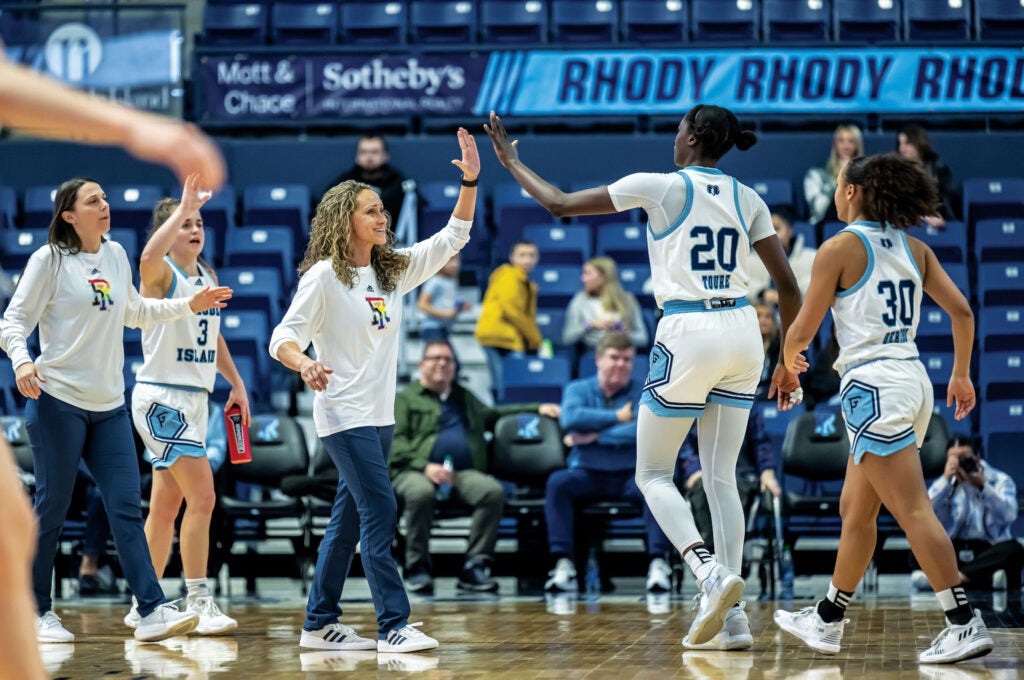
Sports photography is one of the most accessible ways into sports media — and one of the most competitive places to stand. The photographers kneeling on the sideline at Friday night football didn't get there by accident. They built a body of work and earned the credentials that grant sideline access.
Here is a practical roadmap from your first game to a credentialed spot on the field.
1. Start with the gear you have
You do not need a $6,000 setup to begin. What matters most for sports:
- A camera that shoots fast continuous frames and handles low light
- A telephoto lens (a 70–200mm is the workhorse; longer reach helps for football and baseball)
- Fast memory cards and spare batteries
Begin with whatever you can borrow or afford. Skill and access matter more than your kit early on.
2. Shoot everything you can from the stands
Before you have any access, shoot from where anyone can: the stands, the fence, behind the baseline. The goal is reps and a portfolio, not perfection. Focus on:
- Peak action — the catch, the shot, the finish line
- Emotion — celebrations, reactions, the bench
- Storytelling — the moments that explain how the game felt
3. Build a portfolio that proves you are media
A portfolio is what turns "fan with a camera" into "credentialed photographer." You need a single, shareable page showing your best work. Keep it tight — 15–25 of your strongest images beat 200 average ones.
A professional portfolio is also what athletic directors and Sports Information Directors look at when they decide whether to credential you.
4. Understand why sideline access requires credentials
You can build a great portfolio from the stands — but the best angles, the field-level moments, and press-box positions require a press pass. Schools require credentials to control who is near student-athletes and to manage limited sideline space.
That is the gate between hobbyist and working sports photographer.
5. Get credentialed
Once you have a portfolio, it is time to apply for credentials:
- For prep sports, see our guide on getting a press pass for high school sports
- For the next level, see how to get media credentials for college sports
PSC Streamline ties this whole path together: host your portfolio, apply for high school and college credentials from one dashboard, and carry a verified digital and physical press pass that gets you waved onto the sideline.
Access compounds. Your first credentialed game produces better photos, which strengthen your portfolio, which earns the next credential. The hardest part is getting through the gate the first time.
6. Be professional on the sideline
Once you are there:
- Check in with event staff and wear your credential
- Know the boundaries — stay out of the bench and team areas
- Never turn your back to live play
- Deliver and share your work; tag the teams and athletes
Reputation is everything in this field. The photographers who get invited back are the ones who are reliable, respectful, and easy to work with.
Your sideline spot starts here
PSC Streamline gives aspiring sports photographers a portfolio, credentialing for high school and college sports, and the digital and physical press passes that earn sideline access.